A Day of Learning, Sharing and Connection at our Annual Patient Day event in Birmingham
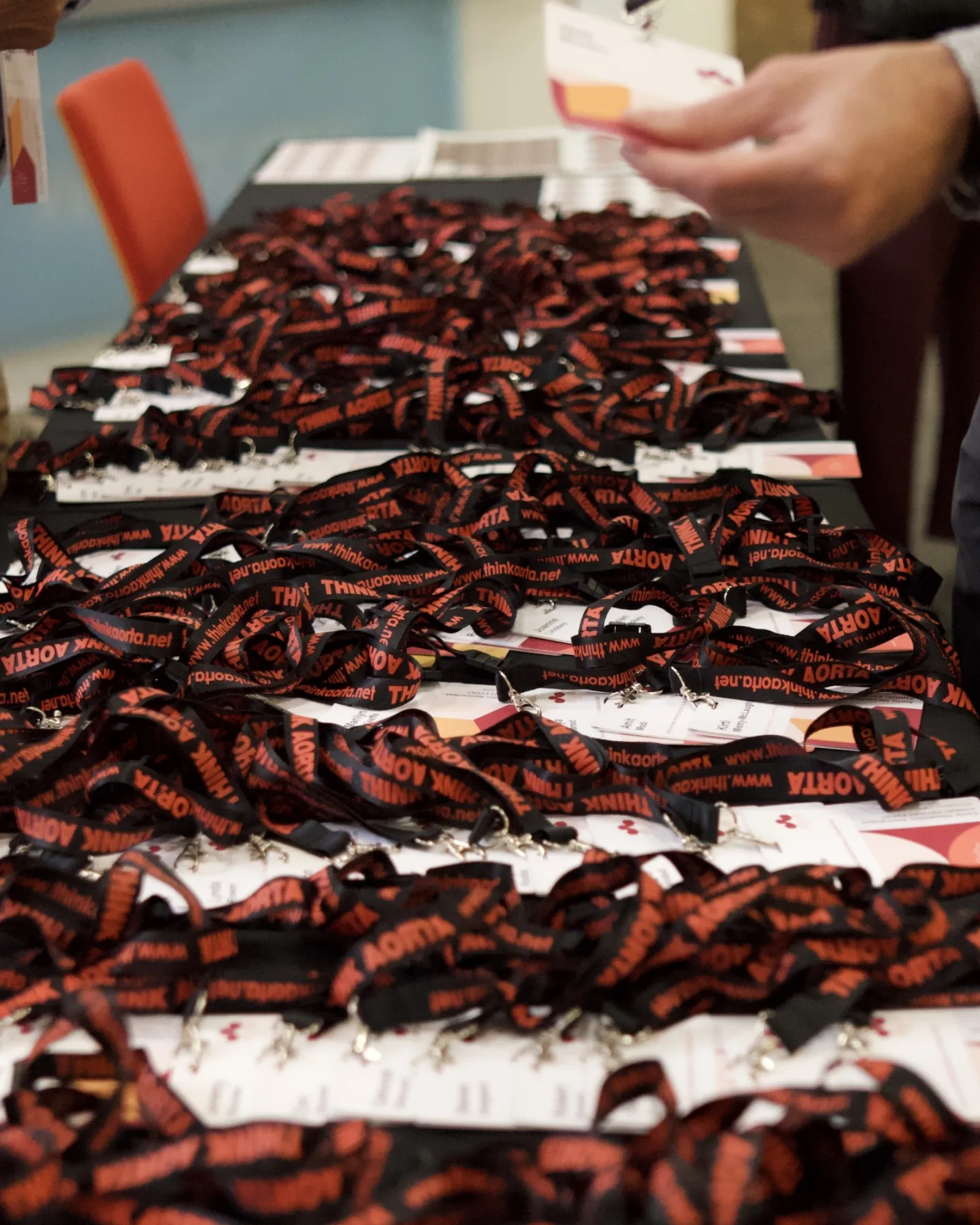
Patients, families and healthcare professionals came together in Birmingham today for the Aortic Dissection Awareness Day Annual Patient Event 2026 – a day of learning, shared experiences, remembrance and community.
Held at The Studios in the heart of Birmingham, our flagship annual patient event brought together people affected by aortic dissection from across the UK and Ireland, alongside some of the leading healthcare professionals working to improve diagnosis, treatment and long-term care.
From the outset, we wanted this year's programme to follow the patient journey – beginning with that life-changing moment when an aortic dissection happens, through diagnosis, emergency treatment and surgery, and then into the often much longer story of recovery and learning to live with aortic disease.
“OMG, what just happened?”
The morning began by looking at the experience of an aortic dissection through both patient and clinical eyes.
Patient Simon Gawthorne joined aortic surgeon Mr Amit Modi to share the story of a medical emergency from two very different perspectives, before our Aortic Nurse Emma Hope took us “From Heart to Toe”, explaining the aorta, what it does and what happens when something goes wrong.
Professor Arun Pherwani explored the challenges of recognising and diagnosing aortic dissection – and then turned medical detective to examine another deceptively difficult question: just how many aortic dissections actually happen?
Patient experience remained at the heart of the programme as Rachel Martin joined Simon Jones for a fireside chat about her Type B dissection, subsequent care and eventual surgery at Liverpool Heart & Chest Hospital.
What happens next?
The second part of the morning followed patients through the acute stages of their care.
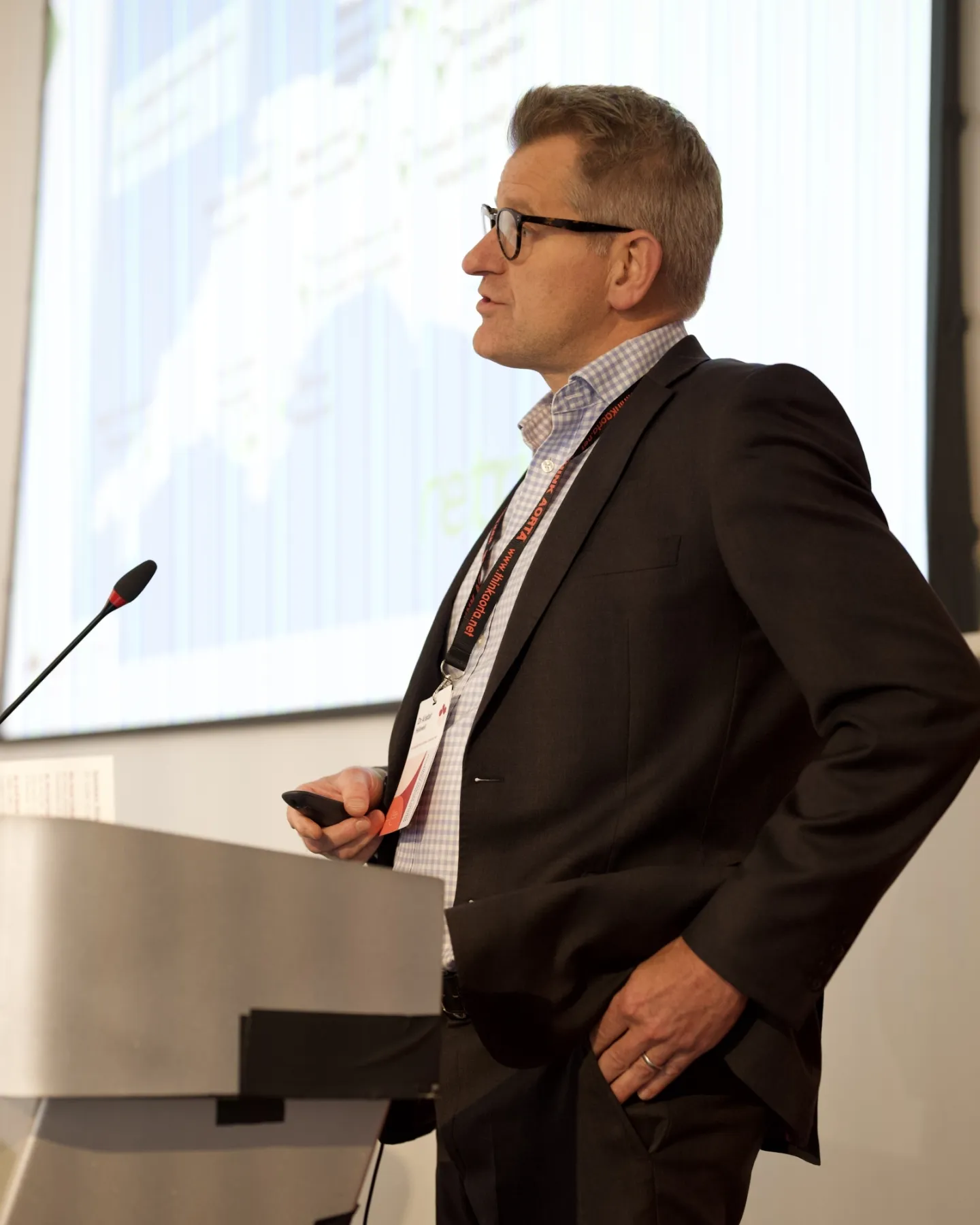
Dr Alistair Hellewell explored the complexities of safely transferring critically ill patients; Ms Karen Booth looked at what happens when the decision is made to operate and told her own personal story as the family member of a patient; and Dr Martin Lees took us behind the scenes of anaesthesia, perfusion, intensive care and the extraordinary teamwork involved in major emergency aortic surgery.
Together, these sessions demonstrated something that ran throughout the day: successful aortic care relies on many different people and specialties working together, often under enormous time pressure.
Remembering friends
Following lunch, we took time away from medicine and treatment to remember those who are no longer with us.
Led by our Bereavement Lead Lisa Skinner, In Memory – Remembering Friends gave us an opportunity to reflect on the people and families at the heart of why greater awareness, earlier diagnosis, better treatment and improved support remain so important.
It was an important and poignant part of the day.
How can we make things better?
Our attention then turned towards the future.
Mr Marcus Brooks considered how pathways and standard operating procedures can help hospitals and healthcare teams work together more effectively, while Dr Tara Mastracci explored the potential of the Virtual Ward and how technology could support patients more effectively in their own homes.
Our Vice-Chair Professor Rob Sneyd then asked whether aortic dissection patients need an aftercare manifesto – recognising that surviving the initial emergency is only the beginning.
For patients, life afterwards can mean years of scans, blood tests, appointments, medication and sometimes further interventions. Knowing what happens next, who is responsible for your care and where to turn for help can make an enormous difference.
Living with aortic dissection
Our final sessions concentrated on some of the practical realities patients face once they leave hospital.
Dr Nass Lamprakis helped navigate the often confusing subject of driving and DVLA guidance, while Sarah Nuttman looked at benefits and the support that may be available to people whose lives and ability to work have been affected by aortic dissection.
Finally, surgeon Michael Sabetai and patient Clare Davis shared a powerful patient and clinician perspective on complications and expectations, including the impact of spinal cord injury.
These conversations were an important reminder that successful treatment cannot simply be measured by surviving the initial emergency. How people live afterwards matters too.
More than a programme
As important as the presentations were, days like today are about much more than what happens on the stage.
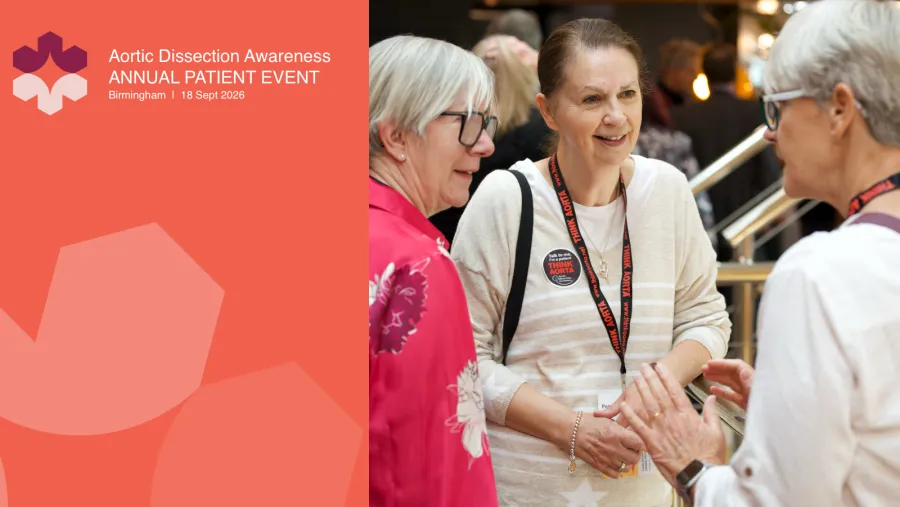
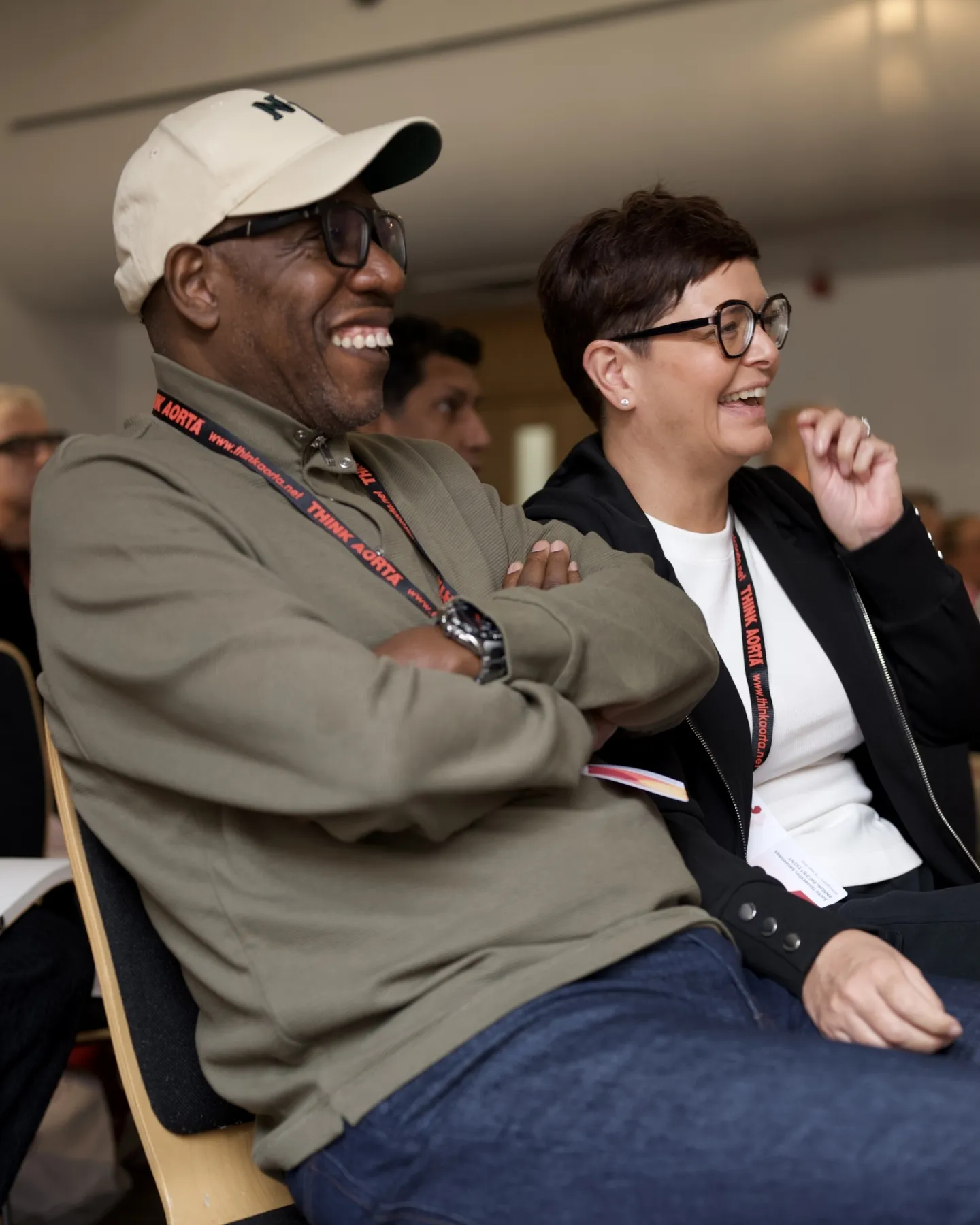
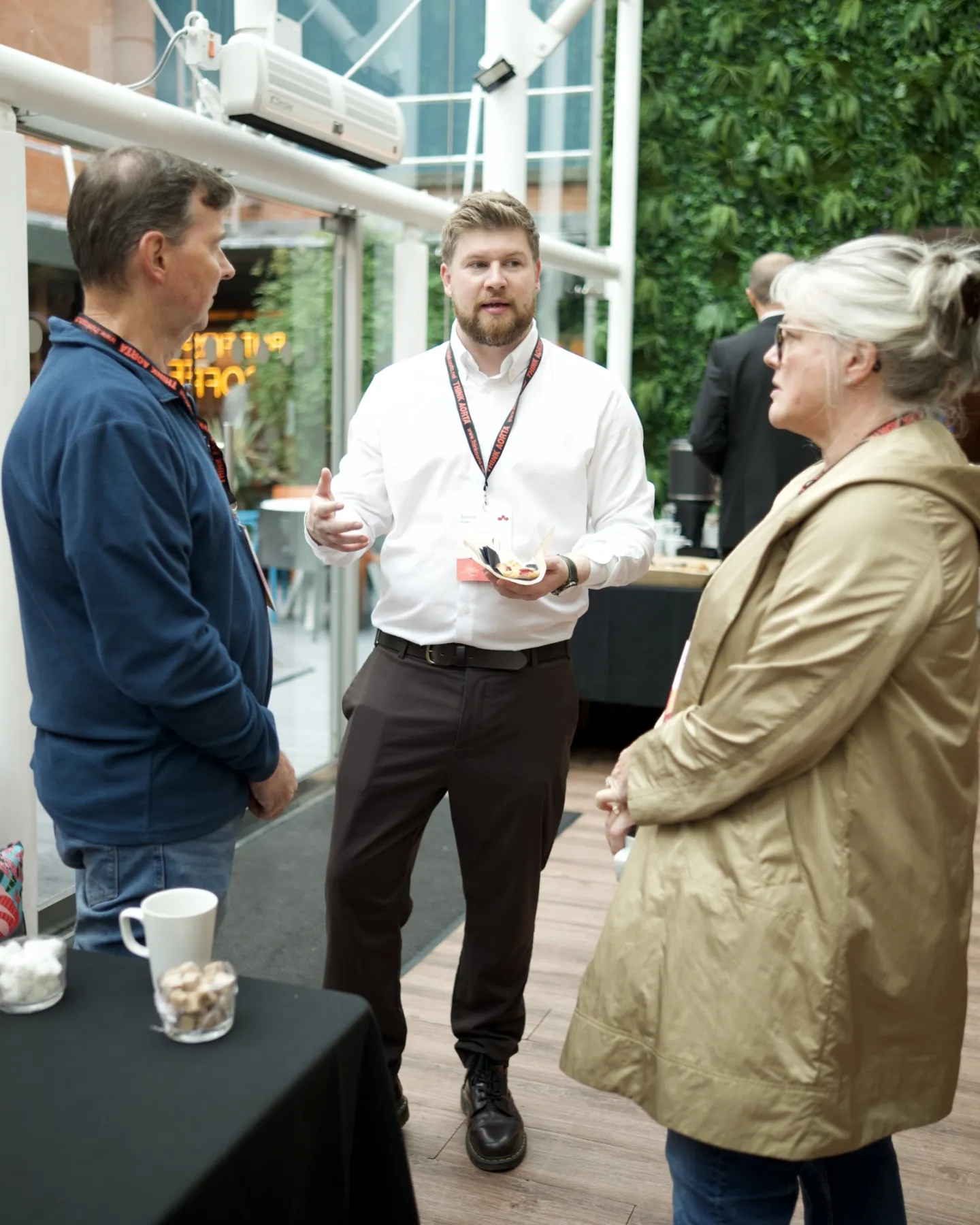
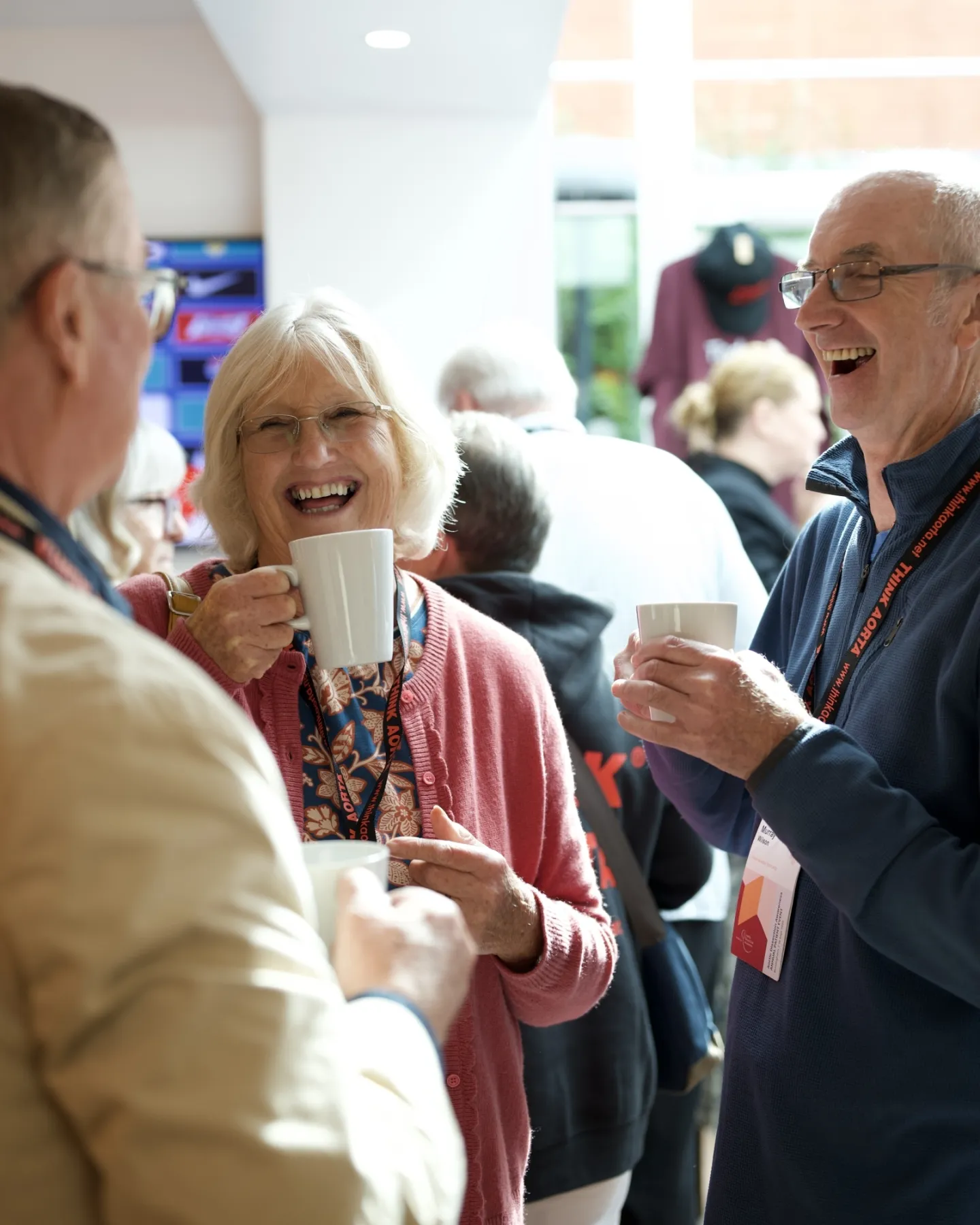
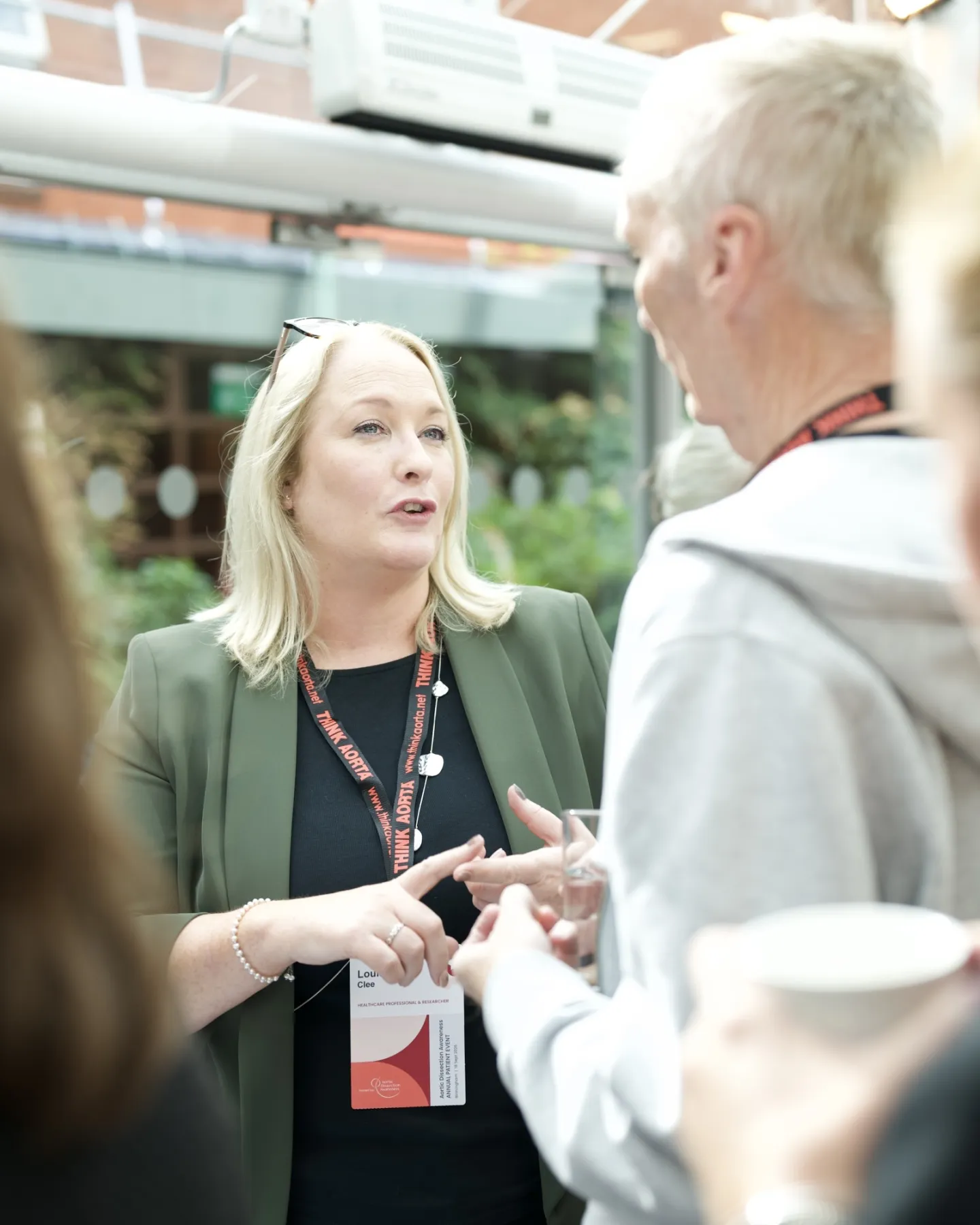
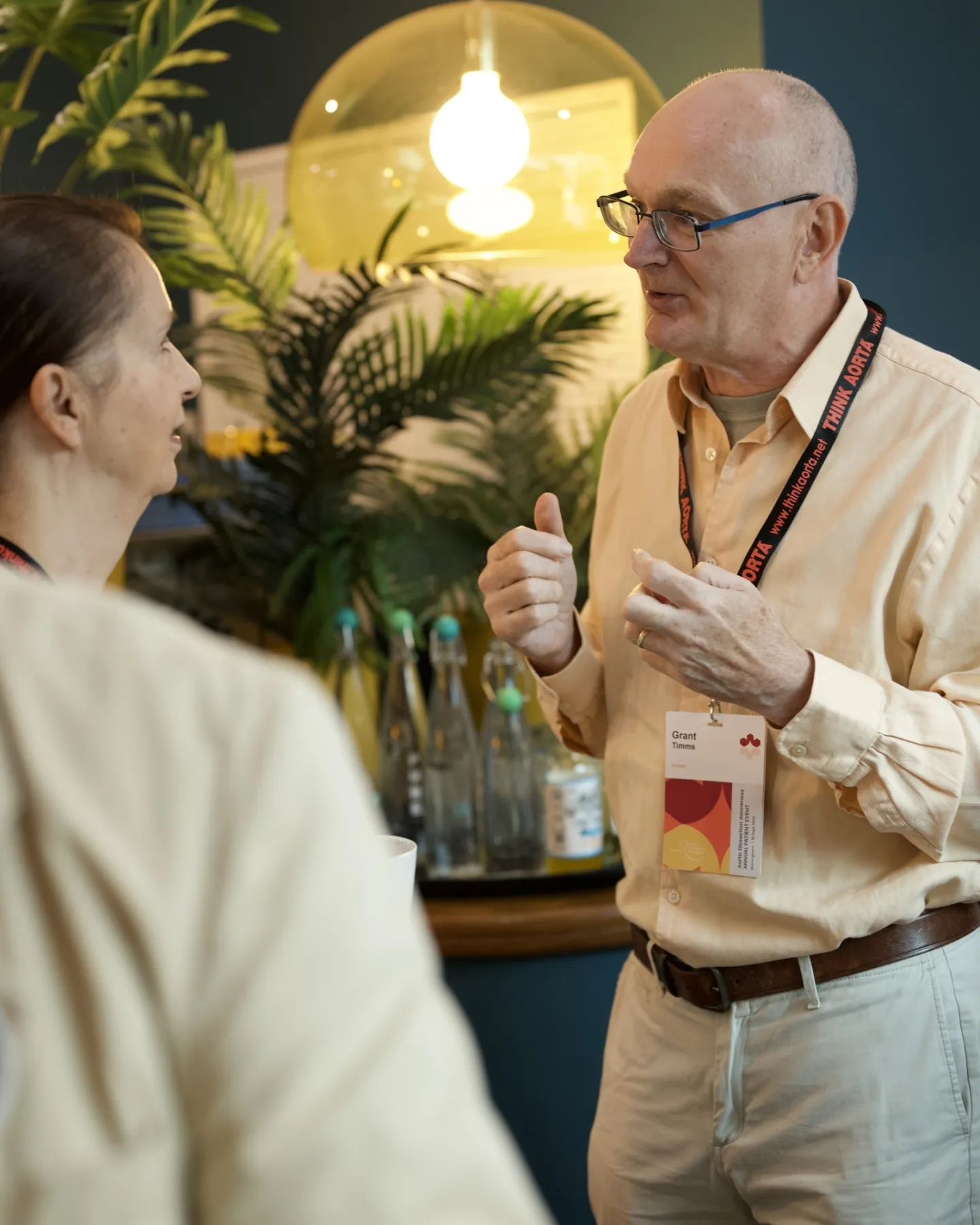
Throughout the coffee breaks, over lunch and in conversations around the venue, patients met other patients, families shared experiences and healthcare professionals had the opportunity to hear directly from the people living with the consequences of aortic dissection.
For somebody attending their first event, meeting another person who understands what they have experienced can be every bit as valuable as anything they hear from the lectern.
That sense of community has always been at the heart of our annual patient event.
Thank you
An event like this simply couldn't happen without a huge number of people.
Our thanks go to every patient and healthcare professional who gave their time to speak, answer questions and share their expertise and experiences so openly.
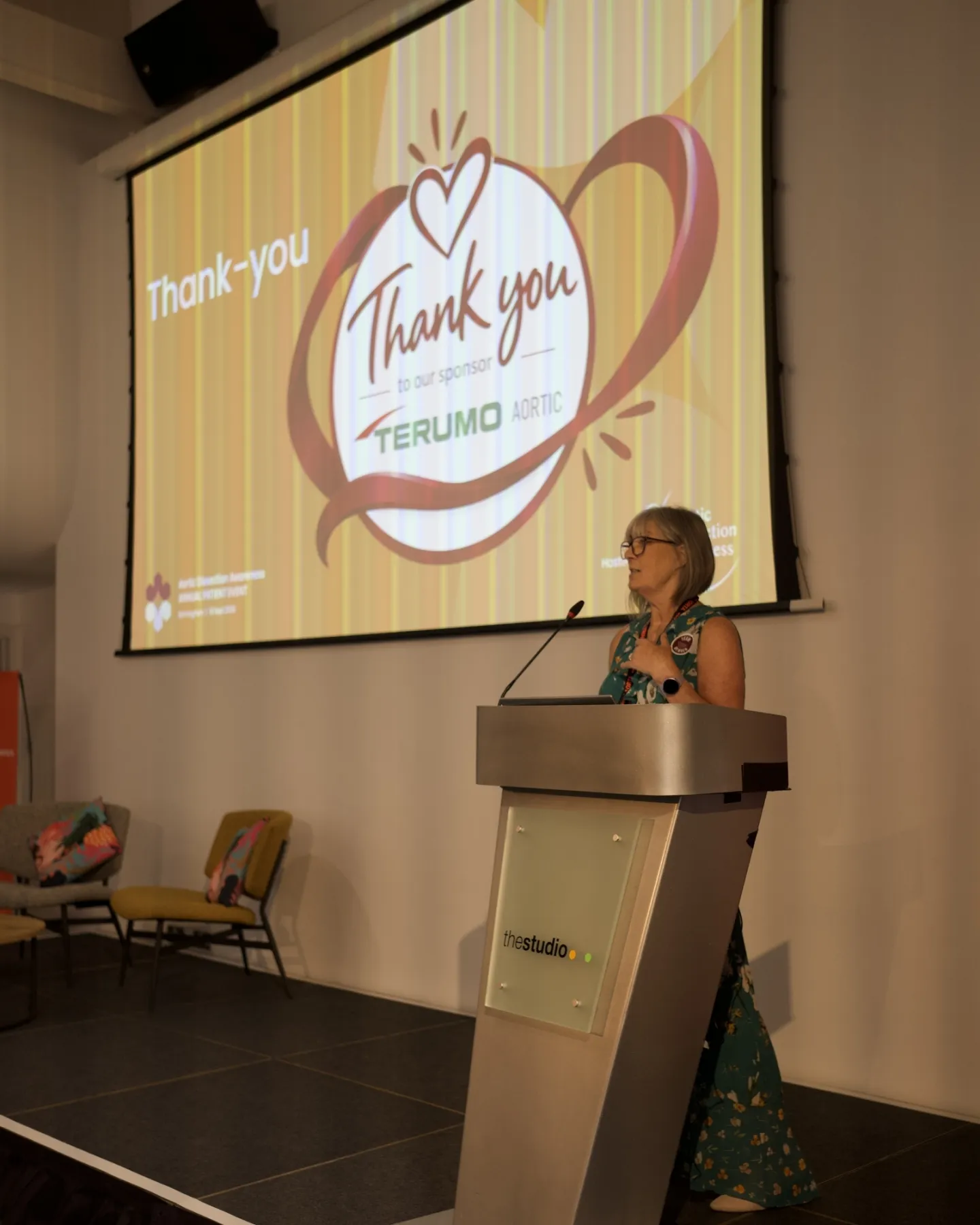
Thank you too to UK-AS (United Kingdom Aortic Society) and its Chair Michael Sabetai for hosting the event with us, and to Terumo Aortic for supporting the day.
And, of course, thank you to our volunteers and team members who worked before, during and behind the scenes to make the day possible.
Most importantly, thank you to everyone who joined us in Birmingham.
Whether you came as a patient, partner, family member, bereaved relative, healthcare professional, researcher or supporter, you helped make the event what it was.
We hope you left with more knowledge, some new connections and, perhaps most importantly, the reassurance that you are part of a community that understands.
We look forward to seeing you again in Norwich in 2027.