South of England Regional Aortic Dissection Education Day 2026
This year’s South of England Regional Aortic Dissection Education Day, held in Bournemouth on 3 July 2026, brought together healthcare professionals from across the aortic pathway, alongside patients and patient representatives, to share the latest thinking on the diagnosis, treatment and long-term management of aortic dissection.
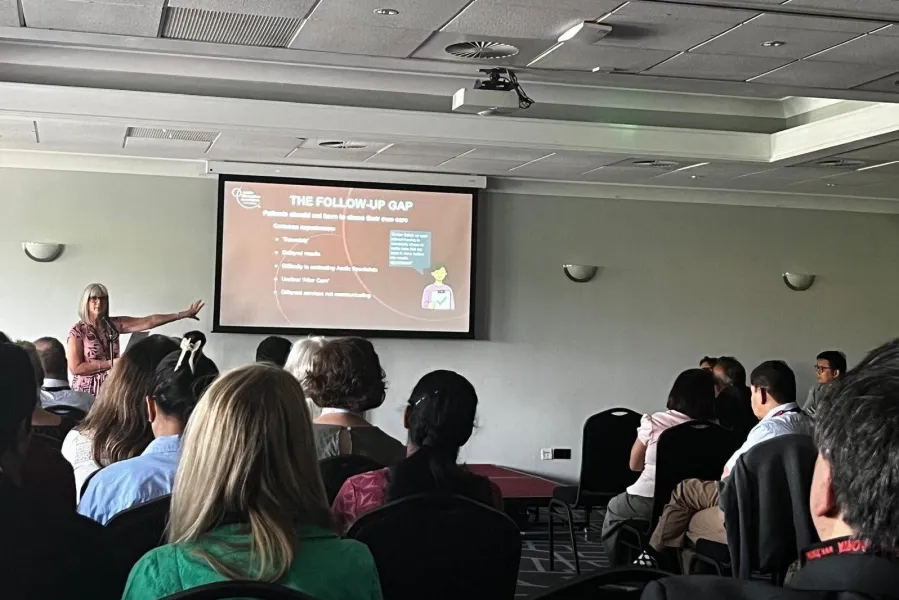
The programme featured experts in emergency medicine, cardiothoracic surgery, vascular surgery, diagnostic and interventional radiology, anaesthesia, perfusion, patient transfer, paramedicine, regional pathways, aortic nursing, genetics and counselling, ensuring a truly multidisciplinary perspective.
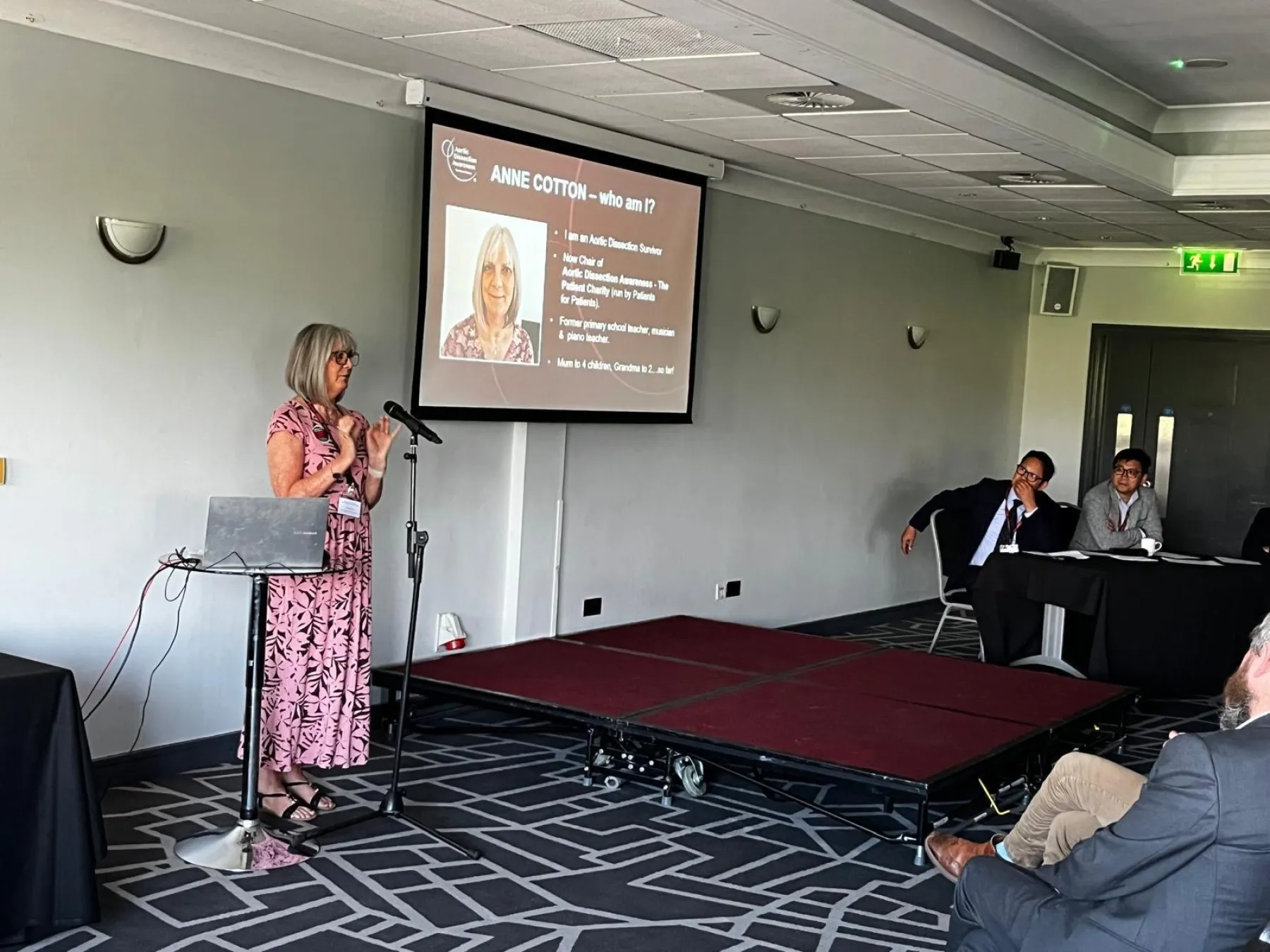
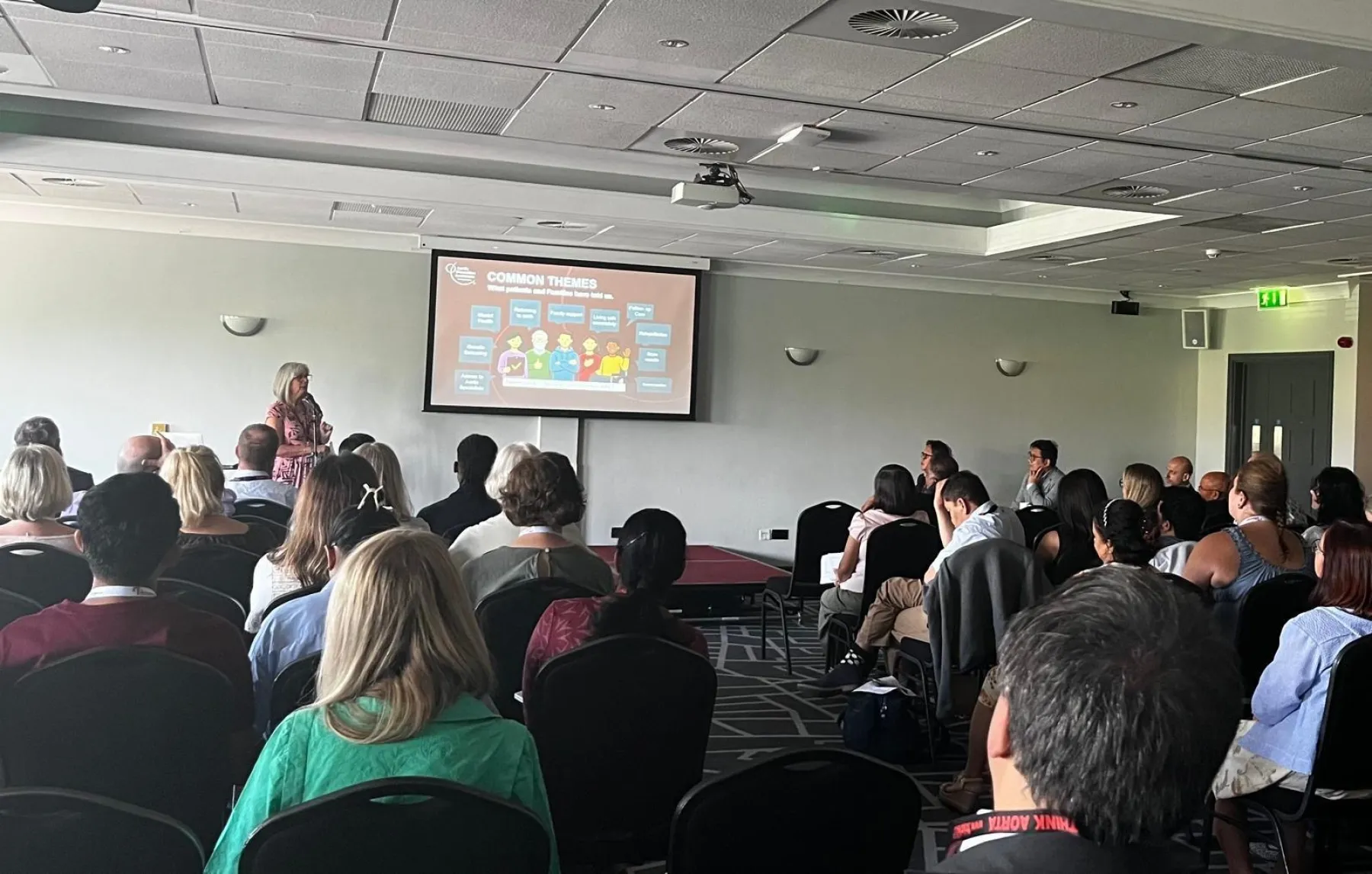
Aortic Dissection Awareness UK & Ireland was represented by our Chair, Anne Cotton, whose presentation, Living with Aortic Dissection: What Matters Most to Patients and Families, reflected not only her own experience but also the voices of many members of the charity and its Buddy Groups, highlighting the issues that matter most to those living with the condition every day.
Throughout the conference, one message came through clearly: improving outcomes for people with aortic dissection depends on far more than advances in surgery alone. Earlier diagnosis, coordinated regional pathways, multidisciplinary care and long-term patient support all have a vital role to play in helping more people survive and live well after aortic dissection.
Early Diagnosis Saves Lives
Cardiac surgeon Mr Geoff Tsang, Medical Adviser to Aortic Dissection Awareness UK & Ireland, opened the meeting by emphasising the significant impact that early diagnosis and rapid transfer to specialist aortic centres can have on patient outcomes. Regional pathways were discussed throughout the day, with delegates sharing ideas on how they can continue to evolve and improve.
A Lifelong Condition
Although the initial tear that causes an aortic dissection occurs suddenly, the condition itself becomes a lifelong disease requiring ongoing surveillance and, for many patients, staged treatment over many years.
Initial treatment—typically emergency surgery for Type A dissections and medical management for many Type B dissections—is only the beginning of the journey. Speakers demonstrated how long-term care often involves careful planning, hybrid surgical and endovascular procedures, and advances in graft and stent technology designed to improve outcomes while minimising the need for invasive surgery.
One particularly thought-provoking message was that the aorta should be regarded as an organ in its own right, rather than simply a tube through which blood flows.
New Thinking Around Type B Dissections
Type B aortic dissections featured prominently throughout the programme. Delegates highlighted the lack of comprehensive national registries compared with those available for Type A dissections, limiting opportunities to better understand long-term outcomes and refine treatment strategies.
Although most Type B dissections continue to be managed without surgery, growing research—including the ERNEST trial—is exploring whether earlier intervention could improve long-term outcomes for selected patients.
Imaging Matters
High-quality imaging remains fundamental to the diagnosis of aortic dissection.
CT aortography continues to be the gold standard, and speakers discussed refinements such as ECG-gated CT scanning, which reduces motion artefacts and produces clearer images. Improving the rapid transfer of imaging between hospitals was also recognised as an important step in accelerating diagnosis, surgical planning and patient transfer.
Multidisciplinary Care
Another recurring theme throughout the conference was the importance of multidisciplinary team (MDT) working.
Well established within cancer care, MDT approaches are increasingly being adopted across cardiovascular medicine. Delegates agreed that collaborative working between surgeons, physicians, radiologists, specialist nurses, anaesthetists and other healthcare professionals represents the future of lifelong aortic care.
The expanding role of specialist aortic nurses was widely recognised, with the recent funding of two aortic nurse posts in regional hospitals along with ADA’s nationally ‘available online’ nurse service - welcomed as an important step forward.
The conference also repeatedly highlighted the psychological impact of surviving an aortic dissection. Long-term emotional trauma remains an often under-recognised and unmet need, reinforcing the importance of supporting patients beyond their physical recovery.
Representing the Patient Voice
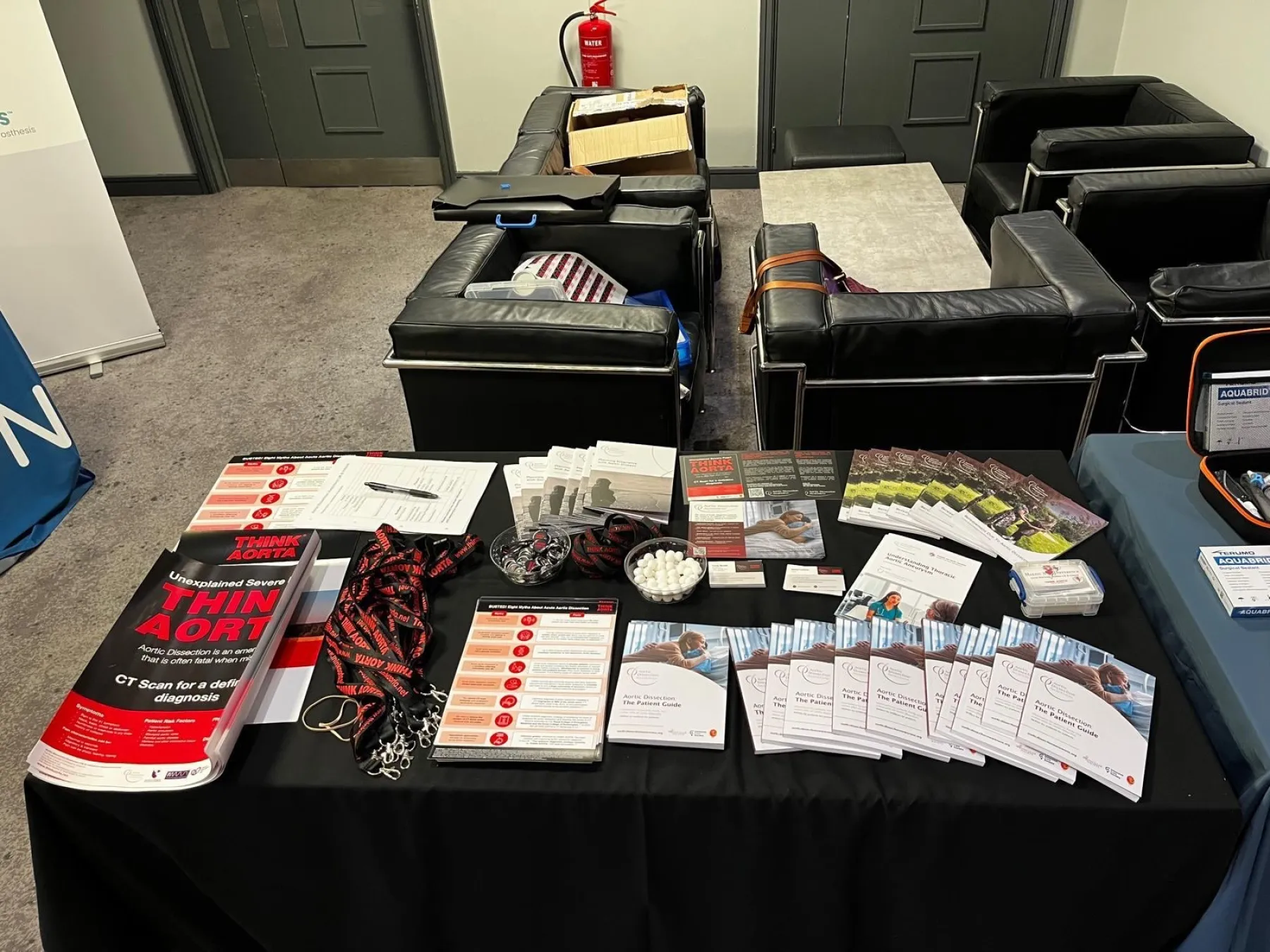
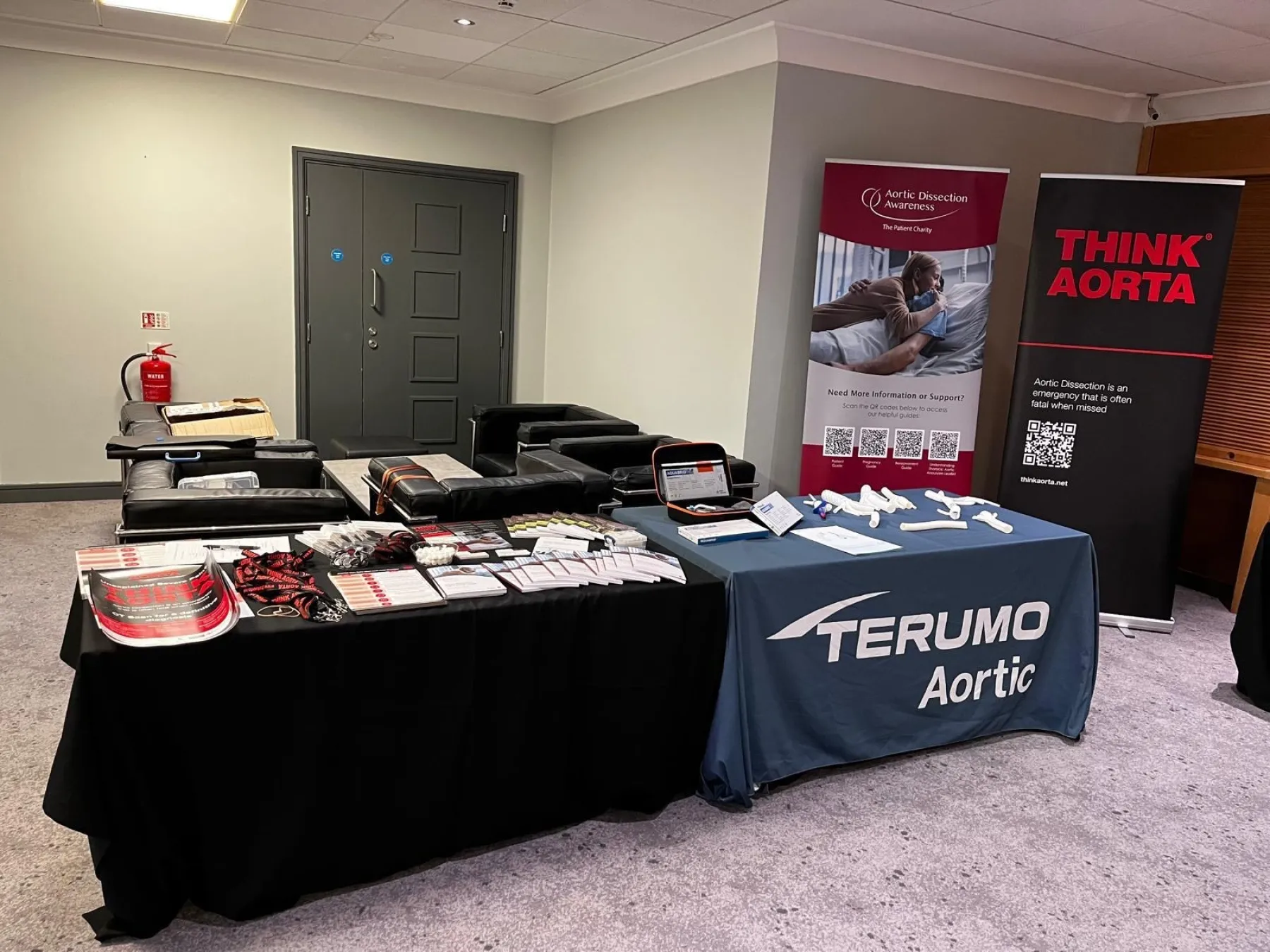
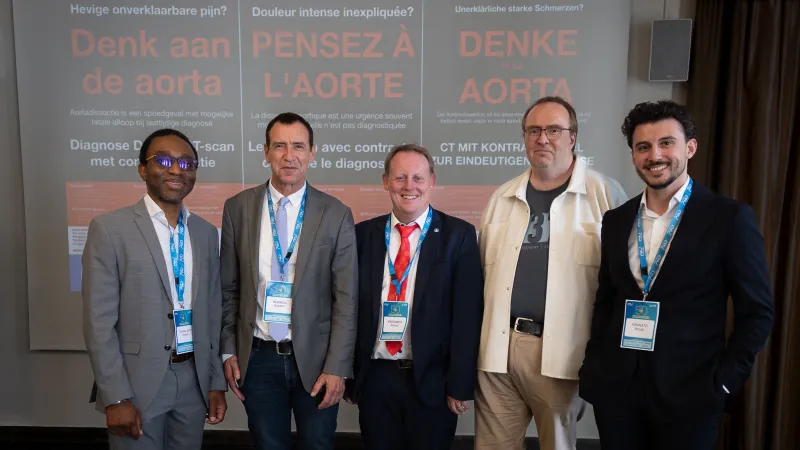
Throughout the day, Aortic Dissection Awareness UK & Ireland welcomed delegates to our exhibition stand, where we discussed the work of the charity, introduced attendees to the THINK AORTA campaign, and distributed our Patient Guides, educational booklets, THINK AORTA posters and lanyards.
It was encouraging to see such strong engagement from healthcare professionals and organisations committed to improving awareness, strengthening collaboration and ensuring that patients receive the lifelong support they need.
Events such as this demonstrate how clinicians, researchers, patients and charities can work together towards a shared goal: improving recognition, treatment and long-term care for everyone affected by aortic dissection.
Aortic Dissection Awareness UK & Ireland is the patient charity and we attend events to ensure our member patients are represented. Check out more events in the calendar in our Events Section.