"Patient Safety Through Patients’ Eyes", ADA team featured in Surgeon's News December issue
Patient safety means far more than what happens in the operating theatre. For people affected by Aortic Dissection and inherited aortic conditions, safety is shaped by the entire care journey — from early recognition and diagnosis, through emergency treatment and surgery, to long-term follow-up and family support.
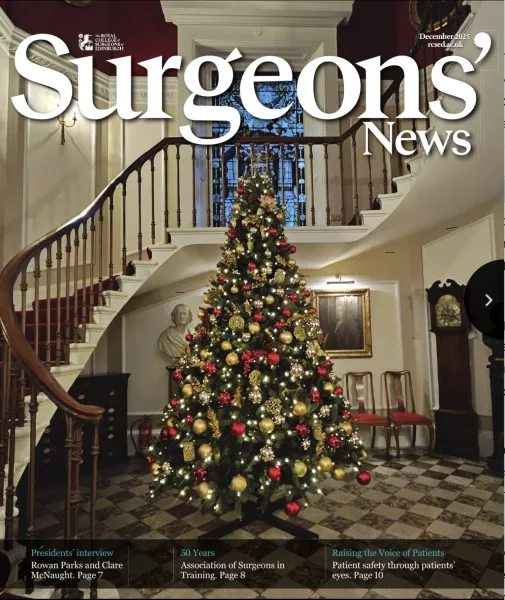
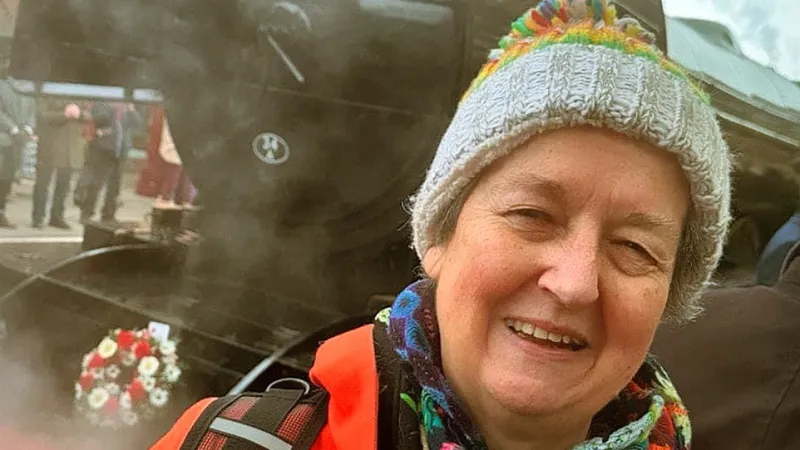
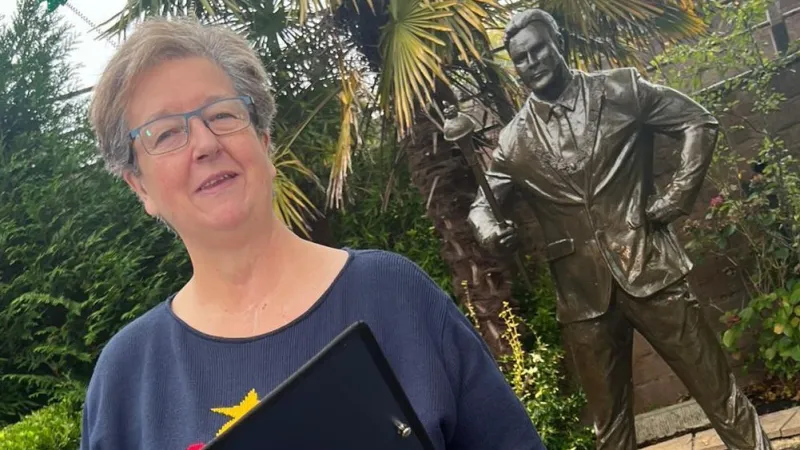
In the first article of the magazine's four-part Patient Safety Group series, Aortic Dissection Awareness UK & Ireland brings patient and family perspectives to the forefront. Drawing on the lived experience of Gareth Owens, the charity’s former Chair and a survivor of acute aortic dissection, and Lisa Skinner, the charity’s Bereavement Lead, the article highlights how patient safety is best understood through those who live with its consequences.
Read the whole story in the digital edition of Surgeon's News for free, via their website
A central theme is that many safety risks occur before surgery even begins. Delays in diagnosis, missed warning signs, and gaps in surveillance — particularly for those with heritable aortic conditions — can turn treatable disease into life-threatening emergencies. Patients often describe long and uncertain diagnostic journeys, where symptoms are dismissed or misunderstood, increasing the risk of catastrophic outcomes.
The article also explores how patients and clinicians can define “safety” very differently. While clinical teams often focus on procedural success and survival metrics, patients and families experience safety as something broader: clear communication, timely diagnosis, coordinated care, emotional support, and reassurance that relatives are protected through appropriate genetic testing and follow-up.
Gareth’s experience illustrates the life-saving impact of specialist, multidisciplinary care and well-defined pathways to surgery. These teams not only improve patient outcomes but also strengthen training, service sustainability, and system-wide resilience.

Lisa’s perspective brings a vital family lens to patient safety. Aortic disease does not affect individuals in isolation — it has profound emotional and genetic implications for families. The article highlights the importance of post-mortem genetic testing, cascade screening, and clear referral pathways to prevent further loss. For bereaved families, safety also includes compassionate support, psychological care, and honest communication.
The article concludes with a powerful call to action: surgeons and healthcare professionals are uniquely positioned to champion patient-centred safety by listening to patient voices, broadening definitions of success, and advocating beyond the operating room. By embracing a whole-family approach and learning directly from lived experience, patient safety can move from reactive rescue to proactive prevention.
At its heart, this piece reinforces a simple truth — when patients and families are placed at the centre of care, safety becomes stronger, more human, and more effective for everyone.